In the realm of hospitality, the auditory landscape of a hotel is as crucial as its visual appeal. Music, often an overlooked element, serves as the silent ambassador of a hotel's brand identity, subtly shaping guest experiences from check-in to checkout. The strategic deployment of music across different hotel zones requires a nuanced understanding of acoustics, psychology, and brand alignment. It is not merely about filling silence but about curating an auditory journey that complements the physical environment and enhances emotional resonance.
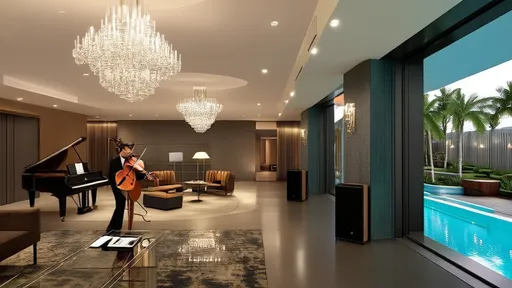
Upon entering a hotel, the lobby sets the initial tone for the guest's stay. This space demands music that is both welcoming and sophisticated, often characterized by ambient or light jazz tunes with a moderate tempo. The volume should be low enough to allow for comfortable conversation yet present enough to mask background noises like footsteps or distant chatter. The choice of music here should reflect the hotel's overall ethos—whether it be luxury, boutique, or business-oriented—and create an immediate sense of arrival and relaxation.
Transitioning from the lobby, the corridors and elevator areas require careful musical consideration. These are transient spaces where guests spend short periods, so the music should be unobtrusive and continuous, avoiding sudden changes in genre or volume that might jar the senses. Soft instrumental or downtempo electronic music works well, providing a seamless auditory flow that guides guests without distraction. The goal is to maintain the atmosphere established in the lobby while ensuring a smooth, cohesive experience as guests move toward their rooms.
In guest rooms, the musical atmosphere must cater to privacy and personal preference. Many high-end hotels now offer customizable sound systems or curated playlists that allow guests to select music aligning with their moods or activities. Typically, the default setting features calming, neutral genres such as classical, acoustic, or ambient music, which promote relaxation and rest. The volume control is paramount here, as guests should feel empowered to adjust it to their comfort, whether for background ambiance or complete silence.
Dining areas present a dynamic challenge, as music must adapt to the time of day and the nature of the venue. Breakfast settings often benefit from light, uplifting tunes—think acoustic folk or soft pop—to energize guests without overwhelming morning tranquility. In contrast, evening restaurants, especially those offering fine dining, might opt for jazz, classical, or world music that encourages sophistication and prolonged engagement. The volume should always remain subordinate to conversation, ensuring that the social aspect of dining remains paramount.
Bars and lounges thrive on a more vibrant sonic identity. Here, music can be more assertive, with genres like lounge, deep house, or curated cocktail jazz setting a social, upbeat tone. The tempo might be slightly higher to stimulate interaction and energy, yet it should avoid crossing into disruptive territory. In these spaces, music acts as a social lubricant, fostering connections among guests while reinforcing the hotel's trendy or luxurious character. Live music performances, if integrated, must be carefully balanced to enhance rather than dominate the ambiance.
Wellness areas such as spas, gyms, and pools demand highly specialized musical approaches. Spas require serene, slow-tempo sounds—often incorporating nature elements like water or bird sounds—to induce deep relaxation and mindfulness. In contrast, gyms need high-energy, rhythmic tracks from genres like electronic, hip-hop, or upbeat pop to motivate and sustain workout intensity. Poolside music should strike a balance between relaxation and recreation, with tropical or chill-out tunes that complement the outdoor setting without intruding on guests' leisure.
Event spaces, including conference rooms and banquet halls, necessitate functional flexibility. During business meetings, music is typically minimal or absent to maintain focus, though subtle background music might be used during breaks to ease tension. For social events like weddings or galas, the music must align with the theme and audience, ranging from classical during ceremonies to danceable hits for receptions. Here, collaboration with event planners is key to ensuring the auditory experience supports the occasion's goals.
Back-of-house areas, though unseen by guests, also benefit from thoughtful music curation. Employee break rooms or kitchens might feature uplifting, morale-boosting tunes to enhance productivity and job satisfaction. However, the volume and style should be controlled to prevent interference with operational efficiency or guest-facing areas. This internal consideration underscores that a holistic auditory strategy encompasses both guest and staff experiences.
Technological integration plays a pivotal role in modern hotel music management. Advanced sound systems with zone-based controls allow for precise adjustments across different areas, ensuring consistency and adaptability. Streaming services with licensed, commercial-free music provide vast libraries tailored to various moods and settings, while volume automation can adjust levels based on time of day or occupancy. These tools empower hotels to maintain a sophisticated, seamless auditory environment with minimal manual intervention.
Ultimately, the art of hotel music configuration lies in its subtlety and intentionality. It is a powerful yet understated tool that, when executed well, deepens guest engagement, reinforces brand identity, and elevates the overall hospitality experience. By attending to the unique acoustic needs of each zone—from the grand lobby to the private guest room—hotels can craft an immersive sonic tapestry that resonates long after the stay ends.

By /Aug 22, 2025
By /Aug 22, 2025

By /Aug 22, 2025

By /Aug 22, 2025

By /Aug 22, 2025

By /Aug 22, 2025

By /Aug 22, 2025

By /Aug 22, 2025

By /Aug 22, 2025

By /Aug 22, 2025
By /Aug 22, 2025

By /Aug 22, 2025

By /Aug 22, 2025
By /Aug 22, 2025
By /Aug 22, 2025

By /Aug 22, 2025
By /Aug 22, 2025

By /Aug 22, 2025

By /Aug 22, 2025
By /Aug 22, 2025