The rhythmic pulse of music has long been the unspoken heartbeat of fitness spaces, a driving force that transcends mere background noise to become an integral component of the workout experience. In recent years, the intersection of exercise science and auditory stimulation has evolved from a casual observation into a rigorously studied discipline. The science of beats per minute, or BPM, now informs everything from the warm-up tracks in a yoga studio to the heart-pounding final sprint on a treadmill. This isn't about simply playing popular songs; it's a calculated application of sonic energy designed to synchronize with, and enhance, human physiology.
At its core, the relationship between music and movement is a story of entrainment—the phenomenon where biological rhythms, such as heart rate and stride cadence, subconsciously synchronize with an external rhythmic stimulus. When you step into a gym and your body instinctively falls into step with the music, you are experiencing this powerful connection. The tempo, measured in BPM, acts as a metronome for the body, providing a steady external cue that the cardiovascular and motor systems can latch onto. This synchronization can reduce the perceived effort of exercise, a concept known as attenuation of perceived exertion. By distracting the brain from signals of fatigue and discomfort, a well-timed beat allows an individual to push harder and longer than they might in silence.
The application of this science is far from monolithic; it is meticulously tailored to the specific demands of different workout modalities. For instance, the warm-up phase of any session is crucial for preparing the body for more intense activity. Music during this period typically resides in a lower BPM range, often between 100 and 120. This moderate tempo facilitates a gradual increase in heart rate and promotes dynamic stretching and mobility work without rushing the process. It sets a focused, intentional tone, allowing the mind and body to connect and establish the purpose of the forthcoming exercise.
As the session progresses into the strength training portion, the musical strategy shifts. Here, the focus is on power, explosiveness, and focus. The music is not necessarily about driving a relentless, high heart rate but about providing rhythmic bursts of energy that coincide with lifts. Tracks with a strong, pronounced beat in the range of 120-140 BPM are highly effective. The beat often aligns with the concentric phase of a lift—the push, the pull, the press—acting as an auditory cue that can enhance neural drive and muscle fiber recruitment. The brief pauses between sets are just as important. Dropping the BPM or switching to a more ambient track can aid in physiological recovery and mental reset, preparing the individual for the next maximal effort.
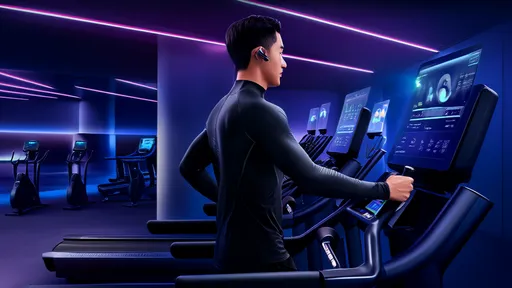
Conversely, high-intensity interval training (HIIT) and cardiovascular endurance workouts live in the highest BPM strata. These sessions are characterized by fluctuating periods of all-out effort and short, active recovery. The music must therefore be dynamic. During the work intervals, tracks soaring to 140-160 BPM or even higher create a sense of urgency and excitement, pushing participants to match their movement cadence to the frenetic pace. The driving bass and intense melodies are psychologically stimulating, triggering the release of neurotransmitters like dopamine that enhance mood and motivation. For the recovery periods, savvy instructors or smart playlists will seamlessly transition to tracks with a significantly lower BPM, perhaps around 100-110, guiding the body toward a more sustainable heart rate without losing the overall energy of the class.
Perhaps the most nuanced application of BPM science is found in mind-body practices such as yoga and Pilates. Here, the objective is not to elevate the heart rate to its maximum but to synchronize movement with breath and cultivate mindfulness. The music is an integral part of creating the atmosphere. Tempos are slow, usually between 60 and 90 BPM, often aligning closely with the average resting heart rate. This encourages deep, rhythmic breathing and deliberate, controlled movement. The music is often layered with atmospheric sounds and minimal percussion to avoid being overly directive, instead holding space for the practitioner to find their own internal rhythm within the supportive auditory environment.
The creation of the perfect workout playlist is now both an art and a science, leading to the rise of specialized software and services that can dynamically adjust BPM in real-time. These platforms can analyze a user's heart rate via a wearable device and select music that either matches the current pace or provides a "sonic nudge" to encourage a higher output. This represents the frontier of personalized fitness audio, moving beyond generic playlists to a fully adaptive soundscape that responds to the individual's live biometric data.
Ultimately, the powerful symbiosis of BPM and exercise is a testament to our deep-seated biological connection to rhythm. It is a tool that, when wielded with scientific understanding, can unlock higher performance, increase endurance, and make the entire process more enjoyable. The next time you find yourself lost in a workout, moving in perfect time to the music, remember that it's more than just a good song—it's a carefully engineered experience designed to help you harness the best version of yourself.

By /Aug 22, 2025
By /Aug 22, 2025

By /Aug 22, 2025

By /Aug 22, 2025

By /Aug 22, 2025

By /Aug 22, 2025

By /Aug 22, 2025

By /Aug 22, 2025

By /Aug 22, 2025

By /Aug 22, 2025

By /Aug 22, 2025

By /Aug 22, 2025
By /Aug 22, 2025

By /Aug 22, 2025

By /Aug 22, 2025

By /Aug 22, 2025
By /Aug 22, 2025

By /Aug 22, 2025

By /Aug 22, 2025

By /Aug 22, 2025
