In the digital age, the resonance of voices harmonizing across continents has become not just a possibility but a thriving reality. Online choirs have emerged as a vibrant medium for musical expression, breaking geographical barriers and redefining communal creativity. This guide delves into the art of organizing and sustaining a virtual choir, offering insights for enthusiasts and leaders alike to cultivate meaningful musical experiences from afar.
The foundation of any successful online choir lies in its purpose and vision. Before assembling a single voice, organizers must clarify the choir’s goals: Is it a casual gathering for joy, a rigorous ensemble aiming for professional recordings, or a therapeutic space for connection? Defining this early shapes everything from repertoire selection to rehearsal structure. A clear vision not only attracts like-minded participants but also fosters a sense of shared mission, which is crucial when physical presence is absent.
Recruitment and inclusivity form the next critical step. Unlike traditional choirs limited by location, online choirs can draw talent from across the globe. Leveraging social media platforms, music forums, and local community networks can help reach diverse voices. Emphasize inclusivity in your messaging—welcome singers of all skill levels, backgrounds, and ages. However, be transparent about expectations: mention time commitments, technical requirements, and any audition processes. This honesty ensures that members join with aligned expectations, reducing dropout rates and building a committed community.
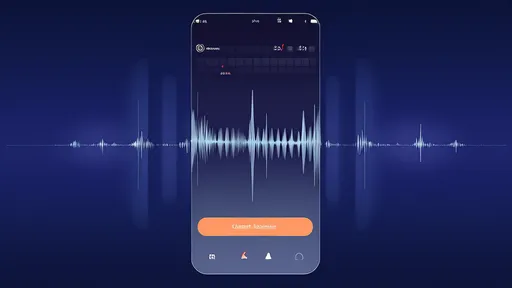
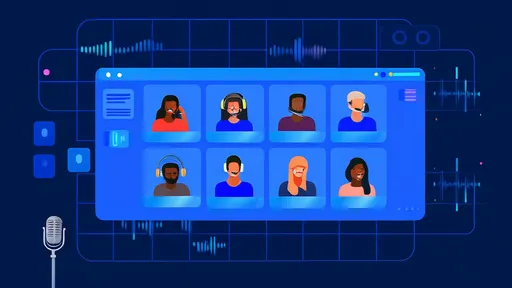
Technology serves as the backbone of virtual choirs, and choosing the right tools is paramount. For rehearsals and meetings, video conferencing platforms like Zoom or Microsoft Teams are popular, but their inherent audio latency makes real-time synchronization challenging. To mitigate this, many choirs adopt a "record-and-edit" model: singers record their parts individually to a guide track, and these submissions are later mixed into a cohesive performance. Software such as Audacity for recording or Adobe Premiere for video editing can be invaluable. Additionally, cloud storage services like Google Drive or Dropbox streamline the collection of audio files. Invest time in educating members on basic technical skills—how to use a microphone, set up a quiet recording space, or export files correctly. This empowerment reduces frustration and elevates the final output.
Rehearsal strategies require adaptability in the virtual realm. Live sessions, while not ideal for synchronized singing, are excellent for building camaraderie, discussing musical nuances, and conducting sectional breakouts. Use these meetings for warm-ups, theory lessons, or feedback sessions. For practicing parts, provide members with resources such as sheet music, learning tracks, and demo videos. Encourage singers to record themselves and self-critique, fostering independence and accountability. Setting milestones, like bi-weekly check-ins or virtual social events, helps maintain momentum and reinforces the human connection beyond the music.
Repertoire selection demands careful consideration. Choose pieces that suit the choir’s skill level and the limitations of remote recording. Avoid overly complex arrangements that may be difficult to synchronize digitally. Instead, opt for works with clear melodic lines and manageable harmonies. Original compositions or arrangements tailored for virtual choirs can also be rewarding, offering a unique identity. Additionally, consider the emotional resonance of the music—especially in times of isolation, pieces that inspire hope or unity can deepen the experiential aspect for participants.
Leadership and communication are the glue that holds an online choir together. As a conductor or organizer, your role expands beyond musical direction to include tech support, morale boosting, and conflict resolution. Establish clear channels of communication, such as a dedicated WhatsApp group or Slack channel, for updates and informal chats. Regular feedback loops—soliciting input from members on repertoire, rehearsal formats, or social activities—create a collaborative environment. Recognize contributions openly; celebrate birthdays, share milestones, and highlight individual efforts. This nurtures a culture of appreciation and belonging.
The editing and production phase is where the magic culminates. Mixing individual tracks into a unified performance requires patience and technical skill. If resources allow, collaborate with an audio engineer to ensure professional-quality results. For DIY approaches, use free software like DaVinci Resolve for video editing or LMMS for audio mixing. Share the final product with the choir and audience through platforms like YouTube or Vimeo, and consider hosting a virtual premiere event to celebrate the collective achievement. This not only validates members’ hard work but also showcases the choir’s potential to a broader audience.
Sustainability and growth are long-term priorities. To keep the choir engaged, introduce variety—guest workshops, collaborative projects with other virtual ensembles, or themed performances. Explore fundraising options if costs arise for software licenses or professional services. Most importantly, regularly revisit the choir’s vision and adapt to feedback and changing circumstances. An online choir is a living entity; its evolution reflects the commitment and passion of its community.
In conclusion, organizing an online choir is a journey of innovation and heart. It challenges conventional notions of musical collaboration but offers unparalleled opportunities for global connection. With thoughtful planning, technological adaptability, and a focus on human spirit, your virtual choir can become a beacon of harmony in a disconnected world.

By /Aug 22, 2025
By /Aug 22, 2025

By /Aug 22, 2025

By /Aug 22, 2025

By /Aug 22, 2025

By /Aug 22, 2025

By /Aug 22, 2025
By /Aug 22, 2025

By /Aug 22, 2025

By /Aug 22, 2025

By /Aug 22, 2025

By /Aug 22, 2025

By /Aug 22, 2025

By /Aug 22, 2025

By /Aug 22, 2025

By /Aug 22, 2025
By /Aug 22, 2025

By /Aug 22, 2025

By /Aug 22, 2025
By /Aug 22, 2025