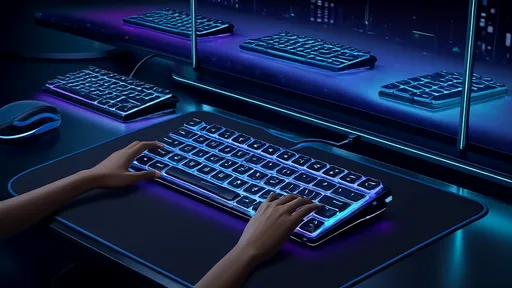
In the quiet hum of modern workspaces, a new form of unspoken collaboration has emerged—one that exists not through spoken words, but through the rhythmic cadence of keystrokes. This phenomenon, which we might call Keyboard Rhythm: The Unspoken Symphony of Typing Frequency, reveals how individuals in shared environments synchronize their typing patterns, creating an invisible yet palpable harmony. It is a dance of fingers on keys, a collective pulse that transcends individual tasks, binding people in a shared auditory experience.
What makes this synchronization so fascinating is its entirely subconscious nature. No one agrees to type in unison; rather, it arises spontaneously from the human brain’s innate tendency to seek patterns and rhythms in the environment. Researchers in the fields of psychology and acoustics have begun studying this occurrence, noting that people who work near one another for extended periods often fall into aligned typing tempos. It’s as if the keyboards themselves are instruments in an impromptu orchestra, each player contributing to a greater whole without ever exchanging a word.
The implications of this rhythmic alignment extend beyond mere curiosity. In open-plan offices, for instance, the synchronized clatter of keys can foster a sense of collective purpose and cohesion among team members. When typing rhythms align, it signals a shared focus, a mutual engagement with tasks that might otherwise feel isolated. This auditory bonding can enhance morale and even productivity, as individuals feel part of a synchronized effort rather than working in solitude.
But the phenomenon isn’t limited to professional settings. Online gamers, remote collaborators, and even social media users experience a form of this rhythmic connection. In virtual spaces, the timing of messages, the pace of responses, and the flow of dialogue can create a similar sense of syncopation. Though the sound may be absent, the temporal patterns mimic the physical world’s keyboard rhythms, building camaraderie through timed interactions.
Yet, this harmony is delicate. Just as easily as it forms, it can be disrupted. A sudden phone call, an interruption, or someone typing at an erratic pace can jar the rhythm, pulling participants out of their shared flow. These disruptions highlight how sensitive humans are to auditory patterns and how deeply we rely on them for a sense of order and connection. The loss of rhythm can momentarily disorient, reminding us of the fragility of these unspoken agreements.
Technology, too, plays a role in shaping these rhythms. Mechanical keyboards, with their distinct clicks and clacks, produce a more pronounced auditory signature than their membrane counterparts. The choice of keyboard can thus influence not only the individual’s typing experience but also the collective soundscape of a space. In some creative industries, the presence of mechanical keyboards is even embraced as a badge of dedication, their percussive sounds contributing to a culture of focused energy.
Looking forward, as remote work and digital communication continue to evolve, the nature of keyboard rhythm may shift. With fewer people sharing physical spaces, the opportunity for auditory synchronization may diminish. However, new forms of rhythmic connection may arise through virtual means—think of applications that visualize typing activity in real-time or platforms that use sound to simulate shared environments. These innovations could preserve the sense of collective rhythm even across distances.
In the end, the Harmonious Duet of keyboard rhythm reminds us that human connection often thrives in the subtlest of ways. Beyond words and gestures, we find unity in rhythm, in the shared timekeeping of our daily endeavors. It is a testament to our ability to harmonize unconsciously, creating music out of mundane actions and transforming solitary tasks into collective expressions.

By /Aug 27, 2025
By /Aug 27, 2025
By /Aug 27, 2025

By /Aug 27, 2025

By /Aug 27, 2025
By /Aug 27, 2025
By /Aug 27, 2025
By /Aug 27, 2025
By /Aug 27, 2025

By /Aug 27, 2025

By /Aug 27, 2025

By /Aug 27, 2025

By /Aug 27, 2025
By /Aug 27, 2025

By /Aug 27, 2025
By /Aug 27, 2025
By /Aug 27, 2025
By /Aug 27, 2025

By /Aug 27, 2025
By /Aug 27, 2025