In an age of digital immediacy and ephemeral communication, the ancient art of wax sealing endures as a poignant testament to permanence and personal touch. The phrase "Wax Seal: The Eternal Moment of Cooling and Solidification" evokes not merely a craft, but a profound narrative of transformation—where molten potential meets its final, immutable form. It is a dance of heat and coolness, fluidity and fixity, capturing a moment of intention forever in a disk of colored wax.
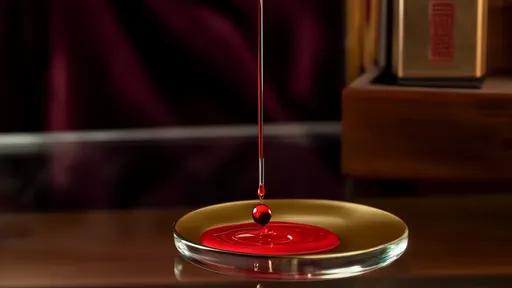
The process begins with intention. A stick of sealing wax, historically composed of beeswax, resin, and vermilion pigment, is heated over a flame. Today, modern variations include synthetic blends and a vibrant spectrum of hues, but the essence remains. The wax softens, drips, pools—a liquid memory waiting to be imprinted. This act is deliberate, slow. It stands in stark contrast to the rapid clicks and swipes that define modern correspondence. Here, time is a required ingredient.
As the molten wax hits the paper—often the textured, cotton-rich stock worthy of such a ceremony—it begins its most critical phase: cooling. This is the "eternal moment." For a brief window, the wax is pliable, receptive, holding the warmth of its creation. It is in this state of transition that the seal is pressed. The craftsman, or perhaps simply someone with a message they deem important, lowers the metal die. The die, or signet, is often custom-made, bearing a monogram, a family crest, a corporate logo, or a symbolic image. It is a signature made physical, a claim of identity and authenticity.
The pressure is applied, held for a second—a silent prayer for a clean impression. Then, the lift. The cooling air rushes over the wax, accelerating the solidification. The molecules, once racing in liquid freedom, lock into a fixed, crystalline structure. The image is captured. The moment is frozen. What was once fluid and uncertain is now solid and definite. This physical change is irreversible, a one-way journey that mirrors the very act of committing words to paper, of making a promise, of sealing a fate.
The significance of the wax seal stretches back millennia, rooted in practicality and power. In the Middle Ages, seals authenticated documents for monarchs and nobles; they were the security protocols of their day, ensuring a letter’s contents remained private and its sender verifiable. A broken seal meant tampering, suspicion, betrayal. The seal was trust incarnate, solidified. This historical weight adds a layer of gravitas to the modern practice. Using a wax seal today is not just aesthetic; it is an invocation of history, a conscious choice to connect with a tradition of gravity and ceremony.
Yet, its appeal in the contemporary world is multifaceted. In the realm of wedding invitations, for instance, a wax seal transforms a piece of stationery into a curated experience. It is the first tactile interaction a guest has with the event to come. The crack of the wax upon opening is a sound of anticipation, a sensory detail that an email can never replicate. For businesses, particularly those in luxury goods, artisan crafts, or bespoke services, a wax seal on correspondence or packaging signifies quality, attention to detail, and a respect for the customer. It says, "This was made with care, for you."
The artistry involved has also evolved. Beyond simple circles of red wax, we now see layered colors, metallic dustings, and embedded elements like dried flowers or glitter. Artisans experiment with different wax types for different effects—softer blends for a deeper, clearer impression, harder blends for durability in the post. The choice of seal design becomes a deeply personal statement, a tiny canvas for individual or brand expression. This renaissance is fueled by a collective yearning for authenticity and tangible connection in an increasingly virtual world.
Psychologically, the act of sealing is deeply satisfying. It provides a definitive end, a closure to the act of writing or gifting. It is the physical punctuation mark at the end of a sentence of effort. The cooling and solidification are not just chemical processes; they are metaphorical. They represent the transition from thought to action, from idea to artifact. In a culture that often values the draft, the edit, the delete, the wax seal celebrates the final, unchangeable decision. It is a brave embrace of the permanent.
However, this permanence is delicate. A wax seal is vulnerable. It can crack, melt, or shatter. It is not designed for the rough and tumble of modern industrial mail sorting, often requiring a protective envelope for its journey. This vulnerability is paradoxically part of its charm. It is a gesture that requires extra effort, extra care—both from the sender and the recipient. It demands mindfulness, a slowdown. It acknowledges that some things worthy of being said are also worthy of being protected and handled with reverence.
Ultimately, the wax seal is a rebellion. It is a quiet, elegant rebellion against the disposable, the instantaneous, the digital fog that characterizes so much of our communication. Each seal is a small declaration that some moments are meant to be eternalized. The cooling wax is not just solidifying into a shape; it is solidifying a moment of human connection, a thought, a promise. It is a tiny monument to the time it took to create it.
As we press the seal into the warm wax, we are not just closing an envelope. We are capturing a sliver of time, intention, and identity. We are participating in a ritual that stretches back centuries, adding our own unique mark to its enduring story. The wax cools, solidifies, and in that eternal moment, something fleeting becomes forever.

By /Aug 27, 2025

By /Aug 27, 2025

By /Aug 27, 2025
By /Aug 27, 2025
By /Aug 27, 2025
By /Aug 27, 2025

By /Aug 27, 2025
By /Aug 27, 2025
By /Aug 27, 2025

By /Aug 27, 2025

By /Aug 27, 2025
By /Aug 27, 2025

By /Aug 27, 2025

By /Aug 27, 2025
By /Aug 27, 2025
By /Aug 27, 2025
By /Aug 27, 2025

By /Aug 27, 2025

By /Aug 27, 2025

By /Aug 27, 2025
